
Ralph Gonsalves international media coverage continues as Britain’s The Guardian and other outlets seek the former prime minister’s perspective on Caribbean reparations and the legacy of colonialism. His political office has changed, but his role in the international debate persists.
By VINCYPOWA News Staff | October 29, 2026
KINGSTOWN, St. Vincent and the Grenadines — Nearly a year after his party lost office, Opposition Leader Dr. Ralph E. Gonsalves remains a participant in international debates about the legacy of enslavement, Caribbean sovereignty and reparatory justice. Interviews and reports by Britain’s The Guardian, as well as an October interview with Anadolu Agency, demonstrate that international journalists continue to seek his views.
The attention does not amount to endorsement of Gonsalves or his political record. It does show that his long involvement in the regional reparations movement continues to make him a source for international reporting, even as he takes on a different role in Vincentian parliamentary politics.

Ralph Gonsalves International Media Coverage: Why It Continues
On May 11, 2026, The Guardian published an article featuring Gonsalves’ call to put slavery reparations near the center of the Commonwealth leaders’ summit in Antigua and Barbuda. The report described his involvement with the Caribbean Community’s reparations movement and his work as an adviser to the Repair Campaign.
In its September 6 coverage of a Jamaican delegation’s petition to King Charles III, the British newspaper again quoted Gonsalves on the long-term economic effects of Indigenous dispossession and the enslavement of Africans. He linked present-day regional inequalities to the historical transfer of wealth from the Caribbean to Europe.
A further September 19 Guardian report on a Caribbean reparations action plan cited Gonsalves’ argument for sustained, coordinated negotiations with Britain, potentially extending over generations. These were distinct pieces of reporting, not evidence of a single continuous interview. Taken together, the reports help explain the ongoing Ralph Gonsalves international media interest in reparations.
An October Interview With Anadolu Agency
On October 28, 2026, Anadolu Agency published an interview with Gonsalves during King Charles’ Caribbean visit. The former prime minister called for a clear British apology and a reparatory program involving more than symbolic expressions of regret.
He argued that practical measures should include development-related initiatives, compensation and a process that can be evaluated through specific commitments and timelines. He also presented reparations as an international justice issue rather than simply a disagreement between one former colony and Britain.
These statements overlap with the central themes of Gonsalves’ earlier public advocacy. They also coincide with renewed international scrutiny of how Britain and other former colonial powers are responding to Caribbean demands.

A Changed Office, but an Established International Profile
Gonsalves served as prime minister of St. Vincent and the Grenadines from 2001 until November 2025. His new role as Opposition Leader necessarily changes the authority with which he speaks: he no longer represents the government of the day, but can still offer analysis informed by his former office and regional advocacy.
International reporters frequently consult former leaders, opposition figures, academics, campaigners and other specialists when covering complex issues. Their decision to interview Gonsalves should therefore be understood as evidence of his relevance to particular subjects, not as proof that his domestic policies have won universal approval.
Ralph Gonsalves international media coverage also raises a question about how Vincentian voices can influence international discussion. Issues such as reparations, development finance and postcolonial economic inequality affect the Caribbean as a region, not just St. Vincent and the Grenadines. For a related examination of his domestic political arguments, read VINCYPOWA News’ analysis of Gonsalves and the meaning of independence.
The Wider Reparations Debate
The British government’s longstanding position opposes direct state reparations payments. Caribbean advocates argue that genuine repair requires recognition of historical wrongdoing and a negotiated program addressing enduring inequalities.
There are important differences over legal liability, financing, the design of reparatory programs and the role of monarchy and government. Those differences will not be resolved by the prominence of any individual interview.
Caribbean governments and civil-society organizations have also been advancing regional proposals, including work associated with the CARICOM Reparations Commission. The debate involves far more voices than Gonsalves alone.
What International Attention Does — and Does Not — Mean
The important news is not simply that the former prime minister has appeared in influential media outlets. It is that reparations have continued to command international attention, creating opportunities for Caribbean advocates to explain the case for historical accountability and contemporary development justice.
For VINCYPOWA News, the question is how such attention advances concrete outcomes. Does it generate sustained diplomatic discussion? Does it help build coalitions? Does it clarify realistic proposals? And can Caribbean governments turn advocacy into measurable commitments?
Gonsalves’ political office has changed, but his participation in the international reparations debate continues. The ultimate measure of that engagement will be whether it contributes to substantive progress, not merely favorable headlines.
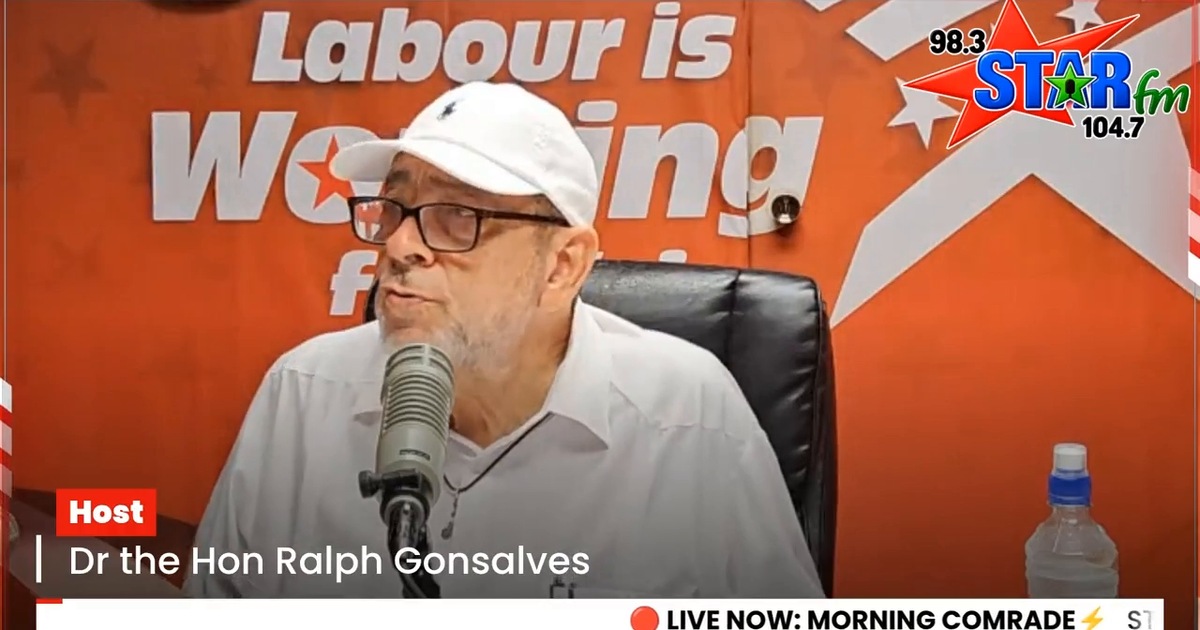
Editor’s note: The supplied Star Radio video shows Gonsalves discussing international interviews. This report does not present an unverified word-for-word transcription of that recording; its specific media references are grounded in the original published reporting linked below.
Sources
The Guardian, May 11, 2026: Gonsalves and the Commonwealth reparations agenda.
The Guardian, September 6, 2026: Jamaica’s reparations petition.
The Guardian, September 19, 2026: Caribbean reparations strategy.
Anadolu Agency, October 28, 2026: Interview with Gonsalves.

Leave a Reply