
Gonsalves’ criticism of Prime Minister Godwin Friday’s first Independence address has reignited debate over the meaning of independence in St. Vincent and the Grenadines. What does independence mean when a Caribbean nation still faces economic pressures, social inequality and the legacy of colonial rule?
By VINCYPOWA News Staff | October 29, 2026
KINGSTOWN, St. Vincent and the Grenadines — Opposition Leader Dr. Ralph E. Gonsalves has intensified his public criticism of Prime Minister Dr. Godwin Friday’s October 27, 2026 Independence Day address, questioning whether the speech met the demands of a nation confronting the challenges of economic development and social justice.
Gonsalves described Friday’s address as the worst delivered by a prime minister since independence in 1979, according to contemporaneous local reporting. That assessment is an opinion expressed by a political opponent, not an independently measurable ranking.
But behind the pointed criticism lies a wider public-policy question: Does independence consist principally of national symbols and self-government, or must it also mean greater economic opportunity, sovereignty and a fairer society?

The Meaning of Independence Beyond the Ceremony
St. Vincent and the Grenadines gained independence from Britain on October 27, 1979. Political independence was a watershed, but it did not immediately remove the economic and institutional legacies of colonialism.
That history includes the struggle of Indigenous Vincentians against dispossession, the resistance of enslaved Africans and their descendants, labor mobilization, and demands for democratic representation. National development remains an ongoing project rather than a task completed in 1979.
Gonsalves has long emphasized sovereignty, regional cooperation, education and social justice as central to his political philosophy. His latest criticism of the Independence address can be considered within that broader record, while still examining the specific evidence behind each charge.
Reparations and the Unfinished Legacy of Colonialism
One prominent issue was the absence of reparatory justice from Friday’s Independence message. Across the Caribbean, governments and advocates continue to call for acknowledgment and repair for slavery, Indigenous dispossession and colonial exploitation.
In a separately reported October 28 interview, Gonsalves urged Britain to provide a formal apology and practical reparatory measures. His concern is consistent with earlier arguments that political independence alone did not resolve historical economic inequalities.
However, Friday has previously addressed reparations in international settings. An omission from one Independence address is not, by itself, evidence that the government has abandoned reparatory justice. The proper question is how prominently this policy now features in SVG’s diplomatic and development priorities.
Economic Independence and the Cost of Living
Gonsalves also questioned why Friday did not announce a timetable for the NDP’s promised reduction in value-added tax from 16% to 13%. The proposal was promoted during the election campaign as a form of household relief.
A VAT cut would have implications for public revenue, and the government has emphasized fiscal caution. But Vincentians are entitled to know whether the pledge remains official policy, what fiscal assessment has been completed and when a decision will be announced.
The meaning of independence extends to the country’s ability to create jobs, strengthen agriculture, improve healthcare, finance education, protect the environment and build a larger locally owned business sector.
The challenge is not merely to replace one speech with another. It is to connect national development promises to measurable outcomes in household income, public services and opportunity.
Two Approaches to National Development
The ULP and NDP have emphasized different political and economic approaches, though both have pursued public investment, private enterprise and foreign partnerships.
Gonsalves’ record emphasizes government-led social development, regional solidarity and policies he believes protect national sovereignty. Friday’s government has promoted private-sector investment, financial management and new sources of capital.
Neither broad description should replace scrutiny of results. Citizens can examine the state of healthcare, education, jobs, crime, housing, debt and public finances under both administrations, while distinguishing inherited projects from new policies.

What Friday Actually Announced
Friday’s Independence period included announcements relating to a national crime-reduction task force and a 90-day citizen-security operation scheduled to begin December 7. Reporting also described pension adjustments and proposed social-protection legislation.
These initiatives should be judged by implementation, funding and measurable outcomes. It would be inaccurate to suggest that the speech contained no policy announcements, just as it would be inadequate to evaluate the address without addressing its omissions.
Supporters of the government may view fiscal caution and phased implementation as responsible policy. Critics may argue that election commitments require firmer timelines and more transparent explanations. Both judgments should be tested against facts.
What Does Independence Mean for the Next Generation?
The most productive national discussion goes beyond declaring a winner in the dispute over a speech. It asks how sovereignty translates into control over resources, credible institutions, shared prosperity and opportunities for young Vincentians.
Reparations, constitutional arrangements, cultural identity, public investment and international partnerships form part of that discussion. So do everyday concerns such as medical staffing, the cost of groceries and reliable access to education.
A government’s Independence Day message should be assessed in light of what it promised, what it delivered and what it intends to do next. The same standards of evidence and accountability should apply to the opposition’s criticisms.
The enduring meaning of independence lies in whether Vincentians can live with dignity, security and genuine opportunity while retaining meaningful control over their country’s future.
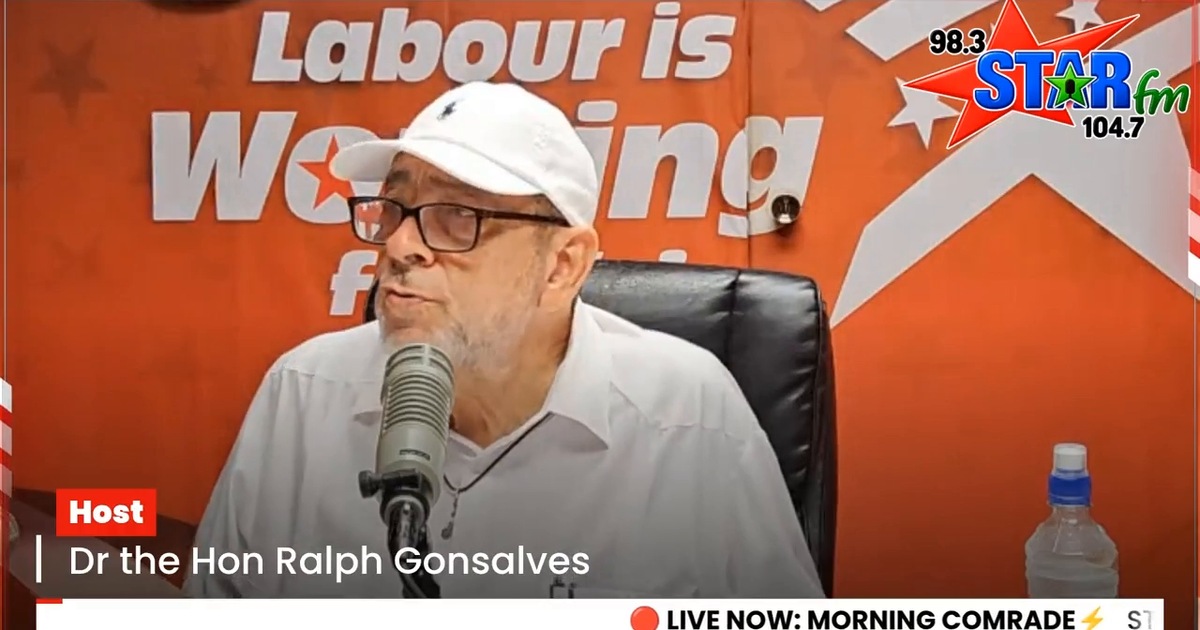
Editor’s note: This analysis draws on published reports of Gonsalves’ statements. The accompanying uploaded recording has not been independently transcribed word for word, so the article does not attribute new verbatim quotations to that video.
Sources and Related Coverage
St. Vincent Times: Gonsalves’ assessment of Friday’s Independence address, October 28, 2026.
Anadolu Agency: Gonsalves on reparations and British colonial history, October 28, 2026.
NBC Radio SVG: Friday announces a national crime task force.
VINCYPOWA News: Gonsalves warns of six national crises.

Leave a Reply